To improve your chances of being shortlisted, focus on a resume that is clear, relevant to the role, and structured to work with ATS screening rather than against it.
Many applications fall over for these key reasons:
Ignoring the ATS - Applicant Tracking Systems are the first screening stage for most roles. Many resumes are filtered out because they do not align closely enough with the employer’s requirements or selection criteria. Generic resumes are usually the first to be excluded.
The generic resume trap - Submitting the same resume for every role is a common mistake. Each application must be tailored to the position, demonstrating clear relevance between your experience and the organisation’s priorities.
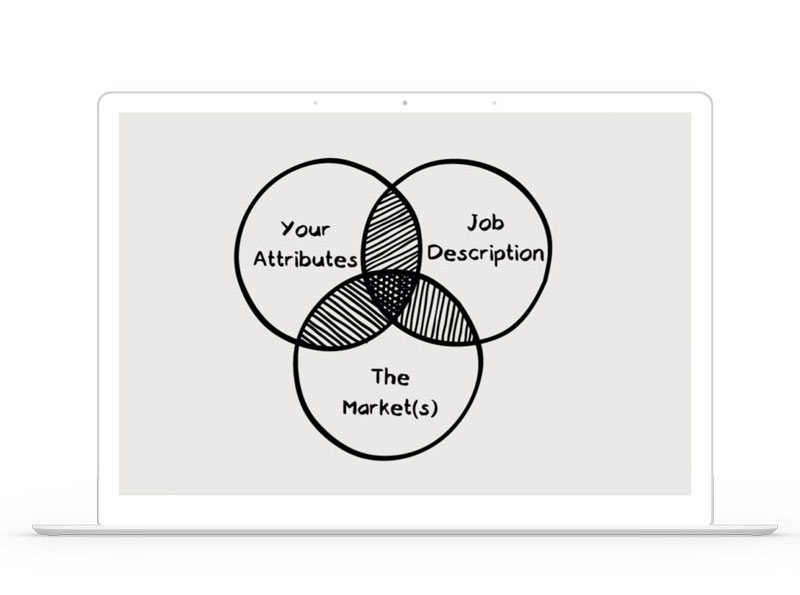
Missing the real requirements - If your resume does not reflect the skills, outcomes, and leadership capability described in the role specification, it is unlikely to progress. Employers expect a visible match between your experience and their needs.
Weak positioning - Many executive resumes read as career inventories rather than a clear proposition. Decision makers should quickly understand the level you operate at and the type of mandate you are suited for, whether growth, transformation, turnaround, or governance leadership.
Weak evidence of results - Phrases such as “responsible for” or “involved in” carry little weight. Executive appointments rely on clear evidence of commercial impact, risk management, and strategic delivery supported by measurable outcomes.
The obvious AI application - Over reliance on generative AI can weaken senior applications. While AI can accelerate drafting and tidy language, it often misses nuance, judgement, and context. The result is content that feels generic, skirts the real criteria, and overlooks cultural fit, all critical at executive level.
AI generated applications can also create a mismatch between what is written and how a candidate presents at interview, raising questions about authenticity. As employers become more adept at recognising formulaic or robotic language, obviously AI led submissions are increasingly filtered out or discounted.
Used carefully, AI can improve efficiency. Used carelessly, it erodes credibility. Strong executive applications still require judgement, context, and a clearly personal voice.
- Senior candidates often include decades of operational detail. Excessive history can dilute strategic impact. Boards and search firms are usually looking for evidence of judgement, leadership outcomes, and organisational influence rather than a long chronology.
Misjudging the audience - Executive applications are rarely reviewed by one person. Recruiters, hiring executives, and board members may all assess the material. If the document reads like an HR form rather than a leadership case for appointment, credibility can suffer quickly.
Over designed resumes - Highly stylised resumes may look impressive but often fail in practice. Complex layouts, columns, graphics, and colour schemes can confuse ATS software and trigger rejection. Many organisations also discourage photographs to reduce bias concerns.
Ignoring professional reputation - At senior level, many opportunities never reach the open market. Your resume should reinforce a reputation already forming through networks, search firms, and industry visibility, not operate in isolation.
Click on the phone, anytime night and day, to book a complimentary 15 minute call at a time that suits you.